
A few years ago, I was rear-ended at a stoplight. It wasn’t a catastrophic wreck, but my rear bumper was thoroughly smashed, and the trunk wouldn’t close. I wasn’t worried initially because I had been paying my premiums on time to a massive, household-name insurance company for nearly four years.
That peace of mind shattered the moment I tried to file a claim.
I was bounced around between automated phone trees, left waiting for adjusters who promised to call back but never did, and spent three weeks fighting just to get a rental car approved so I could get to work. That miserable experience taught me a harsh lesson: The best car insurance company isn’t the one with the funniest commercials or the absolute lowest initial quote. It’s the one that actually shows up for you when your car is sitting in a ditch.
With premiums surging over the last couple of years across the entire industry, choosing a carrier is harder than ever. I spent weeks analyzing national performance data, surveying my peers, and digging into the latest J.D. Power claims satisfaction studies to rank the best car insurance companies in the US.
Here is the real, unfiltered breakdown of who is worth your money—and who you should probably skip.
The Top Contenders: Head-to-Head Comparison
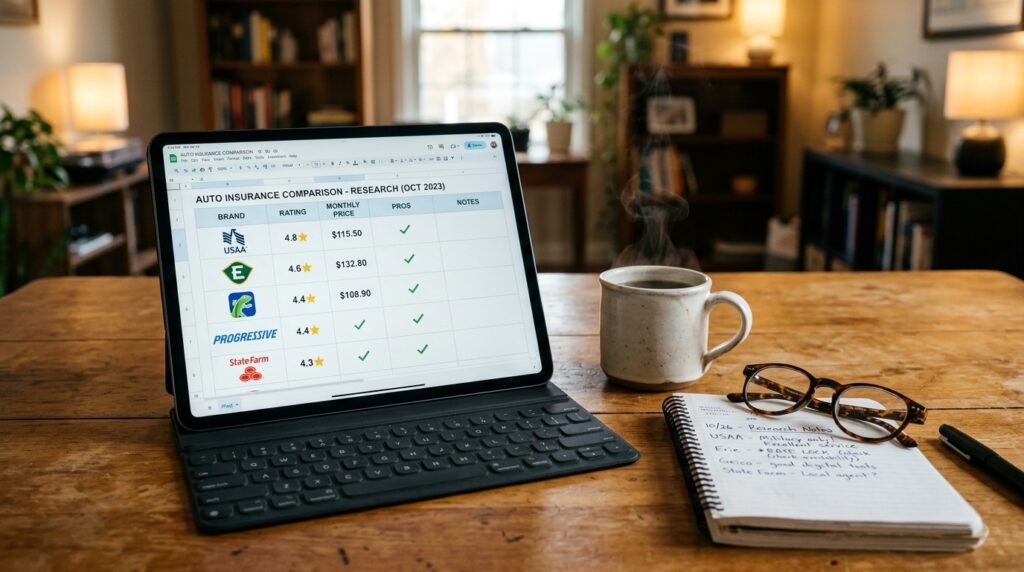
Before we dive into the specific details of each company, let’s look at the baseline numbers. I have compared the major national and select regional players based on average cost, availability, and their recent J.D. Power Claims Satisfaction scores (where the industry average sits right around 700 out of 1,000).
| Company | Strengths | J.D. Power Claims Score | Average Full Coverage (Monthly) |
| USAA | Best overall for military & veterans | 741 | ~$128 |
| Erie Insurance | Best claims service & price stability | 743 | ~$153 |
| State Farm | Best balance of cost, scale, & local agents | 716 | ~$169 |
| GEICO | Best budget option for clean records | 697 | ~$156 |
| Progressive | Best for high-risk drivers & usage tracking | 673 | ~$172 |
| Nationwide | Best pay-per-mile & bundling discounts | 729 | ~$165 |
1. USAA: The Undisputed Gold Standard (If You Qualify)
If you or an immediate family member have served in the US Military, stop reading this list right now and go get a quote from USAA.
My Observation:
I don’t qualify for USAA myself, but my brother-in-law is a Marine veteran and has used them for a decade. When his vehicle suffered severe hail damage, USAA approved his repair estimate within 48 hours via their mobile app, cut a check directly to the body shop, and waived his deductible because of a policy perk.
The Real Breakdown:
USAA consistently obliterates the competition in customer satisfaction metrics. Their claims satisfaction score (741) and overall customer service ratings tower over standard national averages. On top of that, they are almost always the cheapest or second-cheapest option in every state.
- The Catch: It is strictly gated. If you don’t have military ties, you can’t get in.
2. Erie Insurance: The Hidden Gem for Customer Service
If you value customer service above all else but don’t qualify for USAA, Erie Insurance is the actual winner of the standard consumer market.
My Observation:
Erie doesn’t spend billions on Super Bowl ads, which is probably why they can afford to treat their customers like human beings. They took the #1 spot in the J.D. Power Auto Claims Satisfaction Study with a stellar score of 743.
The feature that makes me incredibly jealous of Erie policyholders is their Rate Lock program. Unless you change your physical address, add or remove a car, or add a new driver to your policy, your premium stays exactly the same year after year—even if you file a claim. In a market where everyone else’s rates are spiking 15% to 20% annually, that level of predictability is massive.
- The Catch: They are highly regional. Erie only operates in 12 states (mostly across the Mid-Atlantic and Midwest) and Washington, D.C. If you live in a state like California or Texas, you’re out of luck.
3. State Farm: The Best All-Around Choice for Most Drivers
State Farm is the biggest auto insurer in the country, and for good reason: they offer a highly reliable middle ground of solid customer service and highly competitive rates.
My Observation:
State Farm is one of the few massive carriers that still heavily relies on a network of physical, local agents. When I was with State Farm, having a direct number to a human being named Sarah down the street—instead of a 1-800 number routing me to a call center—saved my sanity during a minor windshield crack claim.
They score comfortably above average on claims satisfaction (716). They are also arguably the best option for families with teenager drivers, as their “Good Student” and “Steer Clear” educational discounts offer some of the most substantial high-risk relief in the business.
- The Catch: Their digital app tools are decent, but if you prefer a completely automated, agent-free digital experience, you might find their structure a bit old-school.
4. GEICO: The King of the Cheap Baseline Quote
GEICO is built like a massive, highly efficient digital machine. If you have a clean driving record and just want the lowest possible number on your computer screen, GEICO will frequently win that race.
My Observation:
GEICO’s mobile app is phenomenal. You can upload photos of a scratch, adjust your coverage limits instantly, and chat with a representative in seconds. For simple, day-to-day management, it feels incredibly modern.
However, keep an eye on their claims satisfaction score (697), which slips slightly below the industry average. Because they handle such a massive volume of drivers, their claims process can sometimes feel impersonal and strictly transactional.
- The Catch: If you get a speeding ticket or a DUI, or if your credit score takes a hit, GEICO’s rates can lose their competitive edge surprisingly fast.
5. Progressive: The Safe Haven for Less-Than-Perfect Records
Progressive takes a very different approach to pricing risk. While other companies might flat-out reject you or double your premium for a past mistake, Progressive leans heavily into data customization to find a price that works.
My Observation:
Progressive’s Name Your Price tool is incredibly helpful if you are working with a strict budget constraint. It allows you to enter exactly what you can afford to pay monthly, and the system automatically tweaks your deductibles and coverage limits to match that number.
They also feature Snapshot, a usage-based telematics program. If you are an exceptionally cautious driver who stays off the roads late at night, you can score significant discounts here.
- The Catch: Their overall claims satisfaction rating (673) is undeniably on the lower end of the major carriers. They are built for pricing flexibility, but navigating a complex claim with them can require a bit more patience and follow-up on your part.
Step-by-Step: How to Safely Switch Companies
If you realize your current company is lowballing your service or overcharging your budget, do not just cancel your policy on a whim. Follow this specific sequence to prevent costly financial penalties:
Step 1: Secure Your New Policy First
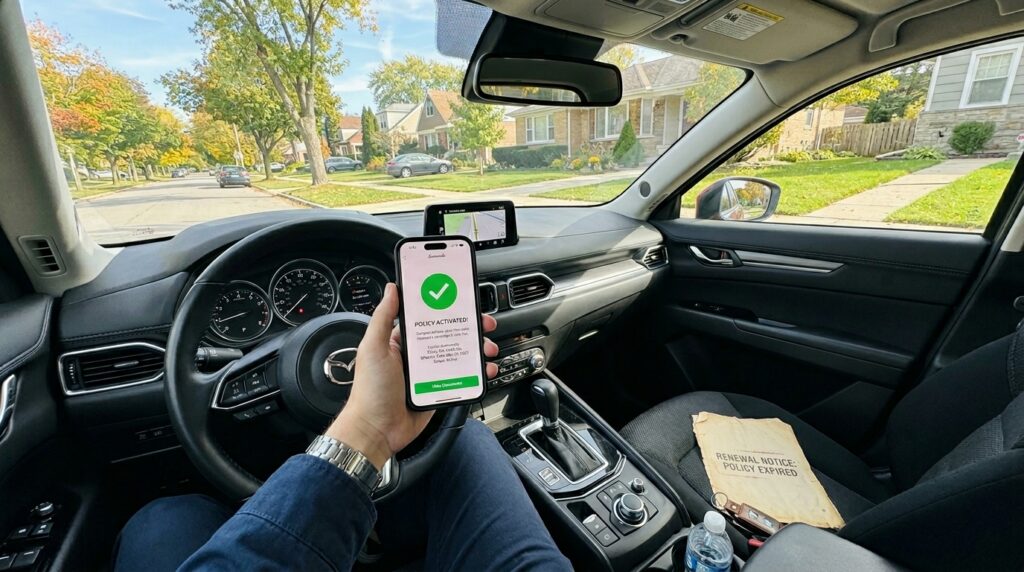
Never cancel your existing policy until your new policy is completely bound, paid for, and you have the digital insurance cards in hand. Even a 24-hour gap in coverage puts you into a “high-risk lapse” category in national databases, which will cause your future premiums to skyrocket across the board.
Step 2: Set the Switch Date Coincidentally
Set the effective start date of your new policy to match the exact end date (or a specific afternoon) of your old one. Having an overlap of one day is perfectly fine and costs pennies, ensuring you are never uncovered while driving.
Step 3: Formally Cancel and Request a Refund
Call your old provider to cancel. Do not just stop paying the monthly bill—if you do, they will eventually cancel you for non-payment, which damages your insurance history. By law, if you paid your old policy 6 months upfront, they are required to issue you a pro-rated refund for every single unused day.
3 Fatal Mistakes to Avoid When Comparing Rankings
- Chasing the Lowest Premium Blindly: If Company A quotes you $90 a month and Company B quotes you $130, do not instantly click buy on Company A. Look closely at the limits. Company A might be giving you bare-bones state minimum liability limits (e.g., $25,000), which can leave you financially ruined if you total a modern, expensive SUV. Make sure you are comparing identical coverage limits.
- Ignoring Regional Companies: Many people only look at the big three (State Farm, GEICO, Progressive). But regional players like Erie, Auto-Owners, or NJM frequently offer radically better customer service and cheaper localized rates because they don’t have to absorb the costs of catastrophic weather events on the other side of the country.
- Failing to Re-Shop After Life Milestones: Your risk profile changes drastically when you turn 25, get married, buy a house, or move to a safer zip code. If you don’t manually force a quote comparison after these events, your current insurer will happily keep billing you at your older, higher risk rate.
Final Thoughts
There is no single “best” car insurance company that fits every single human being in America. If your absolute priority is flawless, stress-free claims service and you live in their territory, Erie or USAA are your best bets. If you want a local agent you can look in the eye when things go wrong, look at State Farm. And if you just want a quick, highly affordable digital policy for a clean record, GEICO remains incredibly tough to beat.
Grab your current policy’s declarations page, set aside 30 minutes, and pull quotes from at least three of these competitors. You might be amazed by how much cash you are currently leaving on the table.